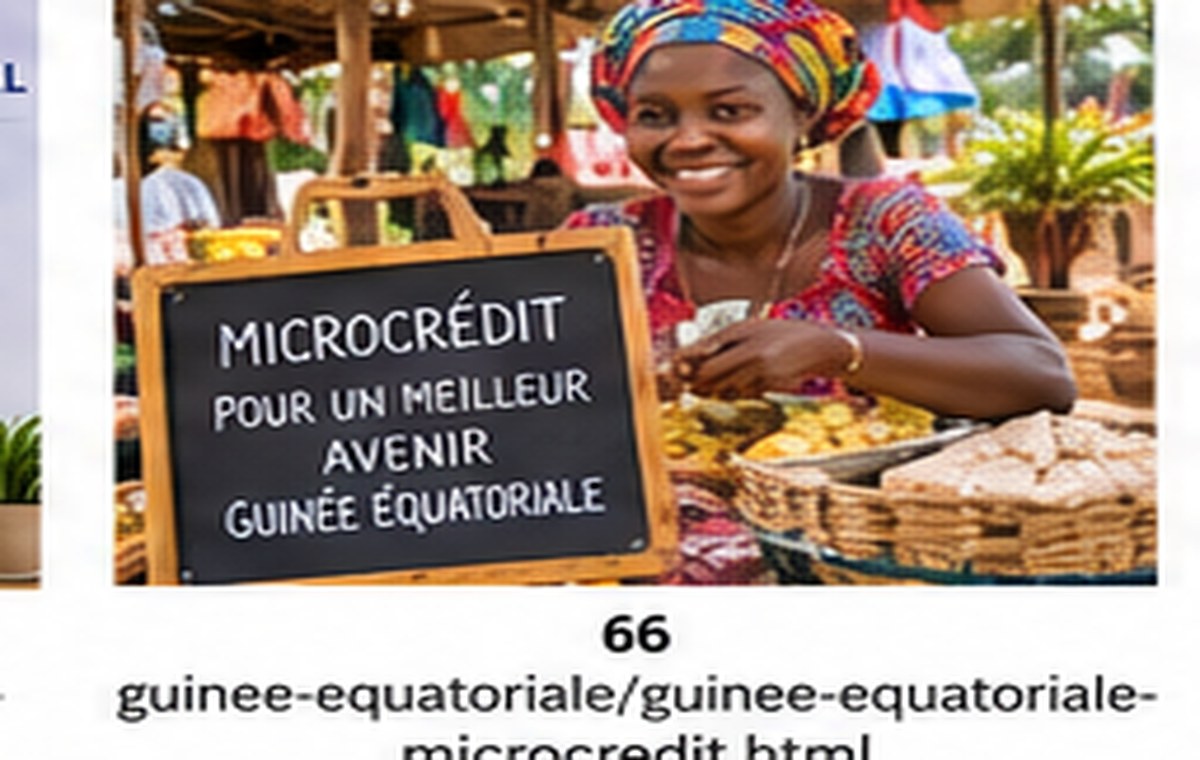
Observing microenterprise finance
For microenterprise finance in “Microcredit and inclusive finance — Equatorial Guinea”, the analysis combines access, pricing, risk, supervision and market practice so the mechanism is described in its own operating environment. By linking microenterprise finance directly to “Microcredit and inclusive finance — Equatorial Guinea”, the page delivers an analysis based on concrete market conditions rather than reusable generic wording.
Comparing financial-inclusion outlook
For financial-inclusion outlook in “Microcredit and inclusive finance — Equatorial Guinea”, the analysis combines access, pricing, risk, supervision and market practice so the mechanism is described in its own operating environment. By linking financial-inclusion outlook directly to “Microcredit and inclusive finance — Equatorial Guinea”, the page delivers an analysis based on concrete market conditions rather than reusable generic wording.
Examining institutional sustainability
The “Microcredit and inclusive finance — Equatorial Guinea” page approaches institutional sustainability operationally by recognising that Equatorial Guinea sits within the CEMAC regional setting and uses the XAF currency, then linking that setting to costs, distribution channels and financing constraints. Accordingly, institutional sustainability becomes an indicator of how the system described in “Microcredit and inclusive finance — Equatorial Guinea” functions rather than a descriptive topic that could simply be moved to another page.
Assessing local economic impact
Understanding local economic impact in “Microcredit and inclusive finance — Equatorial Guinea” requires placing it inside its own institutional setting, since Equatorial Guinea sits within the CEMAC regional setting and uses the XAF currency; the aim is to identify what is genuinely available and measurable in this market. Within “Microcredit and inclusive finance — Equatorial Guinea”, the analysis of local economic impact therefore separates practical opportunities from local constraints and clarifies the financial trade-offs specific to the subject.
Positioning digital microfinance
For digital microfinance in “Microcredit and inclusive finance — Equatorial Guinea”, the analysis combines access, pricing, risk, supervision and market practice so the mechanism is described in its own operating environment. By linking digital microfinance directly to “Microcredit and inclusive finance — Equatorial Guinea”, the page delivers an analysis based on concrete market conditions rather than reusable generic wording.
Reading MFI regulation
On MFI regulation, “Microcredit and inclusive finance — Equatorial Guinea” separates formal rules from market practice because Equatorial Guinea sits within the CEMAC regional setting and uses the XAF currency; this distinction prevents an overly uniform reading of African finance. For “Microcredit and inclusive finance — Equatorial Guinea”, this framework makes it possible to compare MFI regulation without erasing differences in regulation, cost, market depth or institutional capacity.
Measuring MFI refinancing
Understanding MFI refinancing in “Microcredit and inclusive finance — Equatorial Guinea” requires placing it inside its own institutional setting, since Equatorial Guinea sits within the CEMAC regional setting and uses the XAF currency; the aim is to identify what is genuinely available and measurable in this market. Within “Microcredit and inclusive finance — Equatorial Guinea”, the analysis of MFI refinancing therefore separates practical opportunities from local constraints and clarifies the financial trade-offs specific to the subject.
Mapping over-indebtedness prevention
Understanding over-indebtedness prevention in “Microcredit and inclusive finance — Equatorial Guinea” requires placing it inside its own institutional setting, since Equatorial Guinea sits within the CEMAC regional setting and uses the XAF currency; the aim is to identify what is genuinely available and measurable in this market. Within “Microcredit and inclusive finance — Equatorial Guinea”, the analysis of over-indebtedness prevention therefore separates practical opportunities from local constraints and clarifies the financial trade-offs specific to the subject.
Understanding borrower protection
On borrower protection, “Microcredit and inclusive finance — Equatorial Guinea” separates formal rules from market practice because Equatorial Guinea sits within the CEMAC regional setting and uses the XAF currency; this distinction prevents an overly uniform reading of African finance. For “Microcredit and inclusive finance — Equatorial Guinea”, this framework makes it possible to compare borrower protection without erasing differences in regulation, cost, market depth or institutional capacity.
Anticipating financial education
For financial education in “Microcredit and inclusive finance — Equatorial Guinea”, the analysis combines access, pricing, risk, supervision and market practice so the mechanism is described in its own operating environment. By linking financial education directly to “Microcredit and inclusive finance — Equatorial Guinea”, the page delivers an analysis based on concrete market conditions rather than reusable generic wording.
Observing local agents
For local agents in “Microcredit and inclusive finance — Equatorial Guinea”, the analysis combines access, pricing, risk, supervision and market practice so the mechanism is described in its own operating environment. By linking local agents directly to “Microcredit and inclusive finance — Equatorial Guinea”, the page delivers an analysis based on concrete market conditions rather than reusable generic wording.
Comparing mobile payments
For mobile payments in “Microcredit and inclusive finance — Equatorial Guinea”, the analysis combines access, pricing, risk, supervision and market practice so the mechanism is described in its own operating environment. By linking mobile payments directly to “Microcredit and inclusive finance — Equatorial Guinea”, the page delivers an analysis based on concrete market conditions rather than reusable generic wording.
Examining simplified scoring
For simplified scoring in “Microcredit and inclusive finance — Equatorial Guinea”, the analysis combines access, pricing, risk, supervision and market practice so the mechanism is described in its own operating environment. By linking simplified scoring directly to “Microcredit and inclusive finance — Equatorial Guinea”, the page delivers an analysis based on concrete market conditions rather than reusable generic wording.
Assessing cost of microfinance
In “Microcredit and inclusive finance — Equatorial Guinea”, cost of microfinance is examined through real market operation, especially because Equatorial Guinea sits within the CEMAC regional setting and uses the XAF currency; that reference gives the topic a profile that differs from other African markets. This reading of cost of microfinance for “Microcredit and inclusive finance — Equatorial Guinea” therefore focuses on usable mechanisms, visible limitations and developments that could change financing or risk protection for the actors concerned.
Positioning alternative collateral
For alternative collateral in “Microcredit and inclusive finance — Equatorial Guinea”, the analysis combines access, pricing, risk, supervision and market practice so the mechanism is described in its own operating environment. By linking alternative collateral directly to “Microcredit and inclusive finance — Equatorial Guinea”, the page delivers an analysis based on concrete market conditions rather than reusable generic wording.
Reading repayment periods
For repayment periods in “Microcredit and inclusive finance — Equatorial Guinea”, the analysis combines access, pricing, risk, supervision and market practice so the mechanism is described in its own operating environment. By linking repayment periods directly to “Microcredit and inclusive finance — Equatorial Guinea”, the page delivers an analysis based on concrete market conditions rather than reusable generic wording.
Measuring small-loan sizes
For small-loan sizes in “Microcredit and inclusive finance — Equatorial Guinea”, the analysis combines access, pricing, risk, supervision and market practice so the mechanism is described in its own operating environment. By linking small-loan sizes directly to “Microcredit and inclusive finance — Equatorial Guinea”, the page delivers an analysis based on concrete market conditions rather than reusable generic wording.
Mapping inclusive savings
The treatment of inclusive savings in “Microcredit and inclusive finance — Equatorial Guinea” starts from a concrete structural point — Equatorial Guinea sits within the CEMAC regional setting and uses the XAF currency — and then considers how that framework shapes supply, demand and financial decisions. The value of this approach is to show how inclusive savings takes a distinctive form in “Microcredit and inclusive finance — Equatorial Guinea”, with specific implications for households, companies, financial institutions and investors.
Understanding group lending
For group lending in “Microcredit and inclusive finance — Equatorial Guinea”, the analysis combines access, pricing, risk, supervision and market practice so the mechanism is described in its own operating environment. By linking group lending directly to “Microcredit and inclusive finance — Equatorial Guinea”, the page delivers an analysis based on concrete market conditions rather than reusable generic wording.
Anticipating individual microloans
For individual microloans in “Microcredit and inclusive finance — Equatorial Guinea”, the analysis combines access, pricing, risk, supervision and market practice so the mechanism is described in its own operating environment. By linking individual microloans directly to “Microcredit and inclusive finance — Equatorial Guinea”, the page delivers an analysis based on concrete market conditions rather than reusable generic wording.
Observing family farming
Understanding family farming in “Microcredit and inclusive finance — Equatorial Guinea” requires placing it inside its own institutional setting, since Equatorial Guinea sits within the CEMAC regional setting and uses the XAF currency; the aim is to identify what is genuinely available and measurable in this market. Within “Microcredit and inclusive finance — Equatorial Guinea”, the analysis of family farming therefore separates practical opportunities from local constraints and clarifies the financial trade-offs specific to the subject.
Comparing rural finance
Understanding rural finance in “Microcredit and inclusive finance — Equatorial Guinea” requires placing it inside its own institutional setting, since Equatorial Guinea sits within the CEMAC regional setting and uses the XAF currency; the aim is to identify what is genuinely available and measurable in this market. Within “Microcredit and inclusive finance — Equatorial Guinea”, the analysis of rural finance therefore separates practical opportunities from local constraints and clarifies the financial trade-offs specific to the subject.
Examining young entrepreneurs
The treatment of young entrepreneurs in “Microcredit and inclusive finance — Equatorial Guinea” starts from a concrete structural point — Equatorial Guinea sits within the CEMAC regional setting and uses the XAF currency — and then considers how that framework shapes supply, demand and financial decisions. The value of this approach is to show how young entrepreneurs takes a distinctive form in “Microcredit and inclusive finance — Equatorial Guinea”, with specific implications for households, companies, financial institutions and investors.
Assessing women entrepreneurs
On women entrepreneurs, “Microcredit and inclusive finance — Equatorial Guinea” separates formal rules from market practice because Equatorial Guinea sits within the CEMAC regional setting and uses the XAF currency; this distinction prevents an overly uniform reading of African finance. For “Microcredit and inclusive finance — Equatorial Guinea”, this framework makes it possible to compare women entrepreneurs without erasing differences in regulation, cost, market depth or institutional capacity.
Positioning definition of microcredit
The “Microcredit and inclusive finance — Equatorial Guinea” page approaches definition of microcredit operationally by recognising that Equatorial Guinea sits within the CEMAC regional setting and uses the XAF currency, then linking that setting to costs, distribution channels and financing constraints. Accordingly, definition of microcredit becomes an indicator of how the system described in “Microcredit and inclusive finance — Equatorial Guinea” functions rather than a descriptive topic that could simply be moved to another page.
External sources and market participants
AdvansAdvans: external reference for checking institutions, market data or developments relevant to “Microcredit and inclusive finance — Equatorial Guinea”.
African Development BankAfrican Development Bank: external reference for checking institutions, market data or developments relevant to “Microcredit and inclusive finance — Equatorial Guinea”.
Africa Finance CorporationAfrica Finance Corporation: external reference for checking institutions, market data or developments relevant to “Microcredit and inclusive finance — Equatorial Guinea”.
Bank of AfricaBank of Africa: external reference for checking institutions, market data or developments relevant to “Microcredit and inclusive finance — Equatorial Guinea”.
CGAPCGAP: external reference for checking institutions, market data or developments relevant to “Microcredit and inclusive finance — Equatorial Guinea”.